Part IV – The People of JJ
Chapter XIII
The Quiet Giants
Not every influence leaves a monument. Some shape an institution more quietly—through classrooms, wards, case notes and daily practice. The work of these doctors and teachers altered the habits, standards and reach of Grant Medical College and Sir JJ Hospital. Their legacies endure in methods, in disciplines, and in the generations they trained.
Pages 169–181
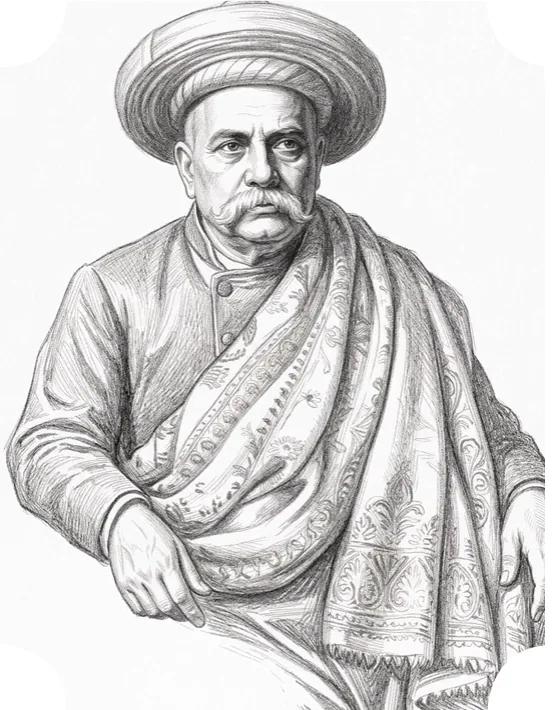
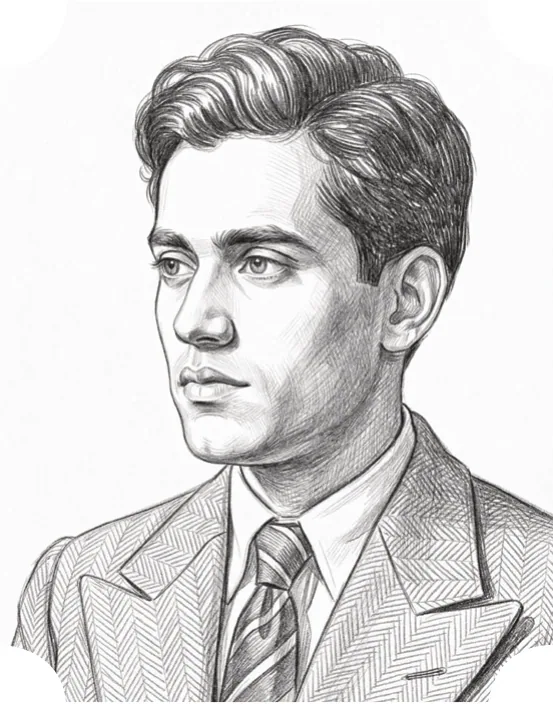
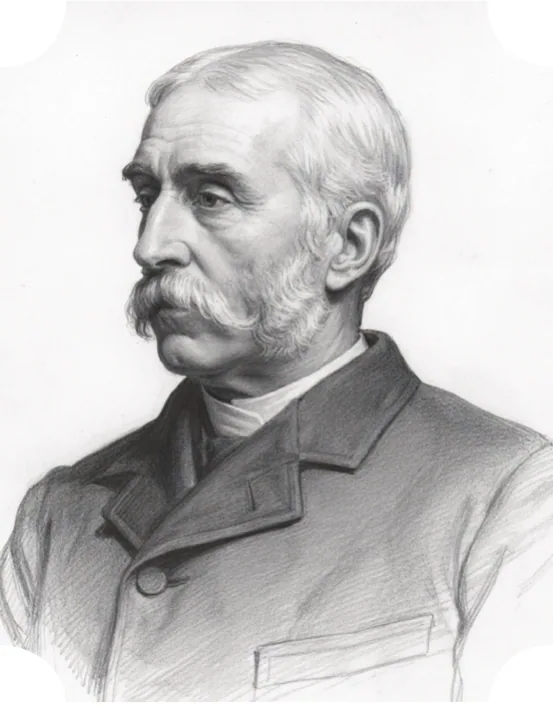
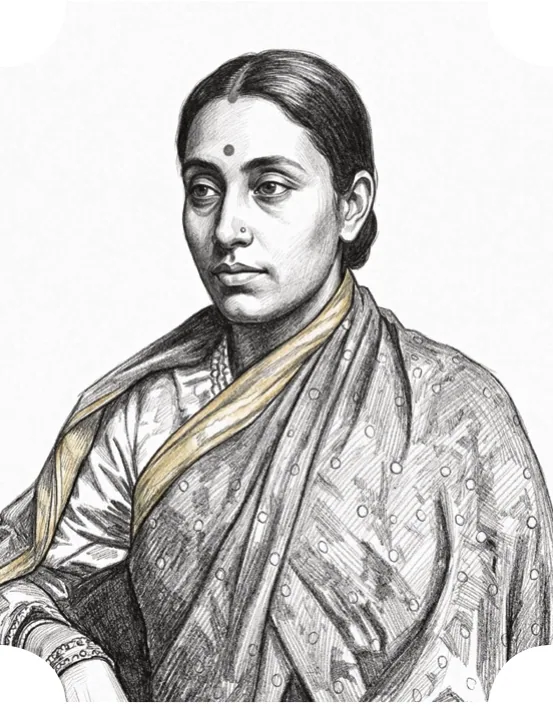
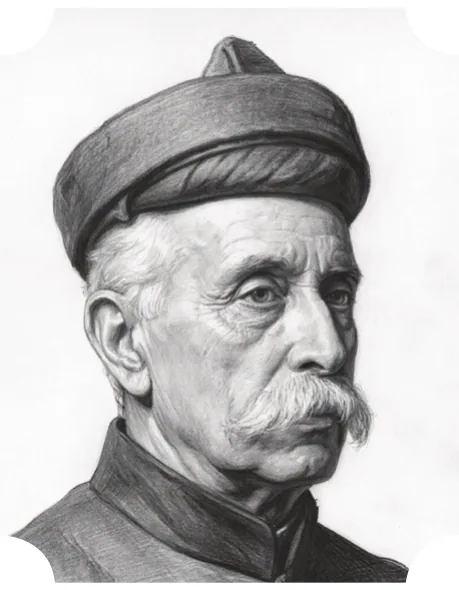
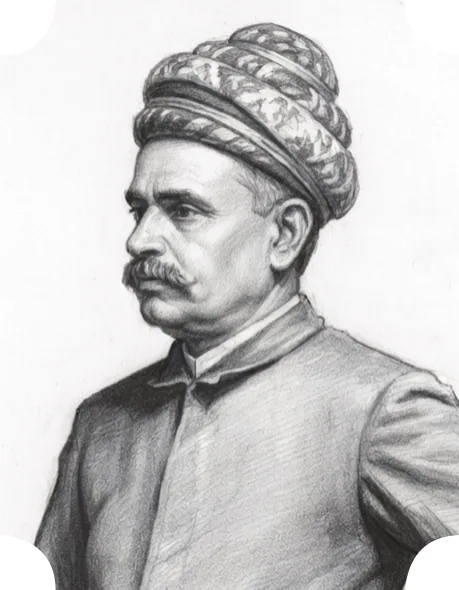
Arjun Raut
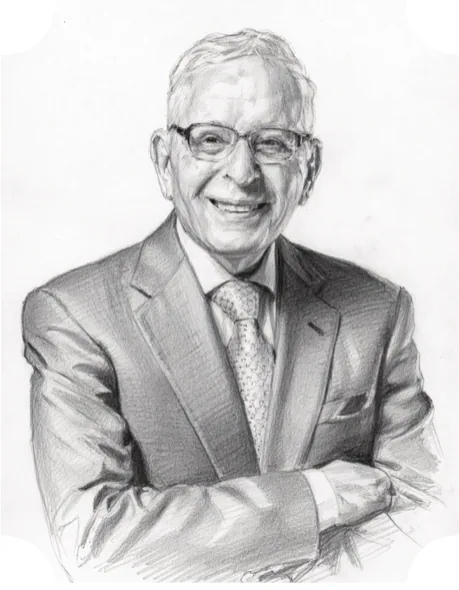
Erach Udwadia

Dr Bhau Daji Lad
(1822–1874)
Bhau Daji Lad stood at the intersection of medicine, scholarship and civic life. Trained as a physician, he practised in Bombay while also studying its history, natural science and material culture.
His research drew on archives, inscriptions and overlooked objects, helping establish organised scholarship in the city. This wider curiosity led to his role in founding the Victoria and Albert Museum, later named after him, preserving records of Bombay’s craft and trade.
Within medicine, he encouraged careful documentation and observation, especially of conditions shaped by local climate and labour. Younger doctors adopted these habits.
Physician, historian and civic contributor, Lad shaped how Mumbai understands its past and its present. His legacy endures in institutions that continue his work of preservation and record.

Dr Dwarkanath Kotnis
(1910–1942)
Dr Dwarkanath Kotnis trained at Grant Medical College before carrying his skills far beyond Bombay. His early foundation in surgery, medicine and public health prepared him for demanding service.
In 1938, he joined a medical team sent to China during the Sino-Japanese War. Working in field hospitals with limited supplies, he improvised treatment under constant pressure. He remained there even after the mission ended, serving communities with little access to care, treating the wounded and training local workers.
He died in 1942 while still in service. China honoured him for his commitment.
Kotnis is remembered as a graduate who carried the discipline of his training across borders, a reminder that medical service extends beyond geography.

Dr Henry Vandyke Carter
(1831–1897)
Henry Vandyke Carter arrived in Bombay as a young surgeon whose talent extended beyond medicine. Trained in anatomy and skilled in observation, he also drew with unusual precision. This combination shaped his years at Grant Medical College in ways not immediately visible, yet lasting.
He taught anatomy in the dissection rooms and lecture halls, guiding students through the structure of the body. The work demanded patience, repetition and accuracy. Carter believed that understanding form was essential to understanding function.
Alongside teaching, he produced medical illustrations that later became central to Gray’s Anatomy. Valued for clarity rather than decoration, his drawings rendered muscles, nerves and organs with exact proportion. They were tools for learning, like the specimens on the table.
Carter left no monument on the grounds. His legacy survives more quietly — in the discipline of observation and the standards of accuracy that shaped generations of students.

Dr Rukhmabai Raut
(1864–1955)
Dr Rukhmabai Raut entered medicine after a childhood already marked by public scrutiny. Her legal struggle over consent and marriage had been widely discussed in late nineteenth-century Bombay. Choosing medical training shifted her life from ordeal to purpose.
At Grant Medical College, she moved through a demanding curriculum with steadiness and restraint. She studied anatomy, pathology and clinical medicine with the same discipline expected of every student.
As a physician, she focused on women and children from communities with limited access to care. Her presence offered familiarity and trust. Women who had long avoided hospitals found a doctor who listened without judgement. She also wrote about the conditions she encountered, documenting what often went unrecorded.
She did not seek prominence. Her influence lay in quiet competence, easing the way for the women who followed her into the wards.

Dr Jivraj Mehta
(1887–1978)
Dr Jivraj Narayan Mehta excelled at Grant Medical College as both student and clinician, recognised early for clarity of thought and steady method. After further training in England, he returned to India with strong foundations in clinical medicine and public health.
Beginning with teaching and hospital service, his responsibilities soon expanded to organising systems of medical education and care. He later became the first Dean of Seth G S Medical College and shaped its academic structure.
His career moved into public life as Health Minister of Bombay State and later Chief Minister of Gujarat, where he helped build colleges, hospitals and public health networks.
His legacy lies in the institutions he strengthened and in the belief that medical service is a form of public responsibility.

Dr Vitthal Shirodkar
(1899–1971)
Dr Vitthal N Shirodkar became one of the most influential obstetricians trained at Grant Medical College. His work grew from close observation of pregnancy complications.
Studying cervical incompetence with precision, he developed the procedure later known as the Shirodkar cerclage, reinforcing the cervix to support pregnancy. The technique required careful preparation, anatomical clarity and steady execution.
Within the hospital, he was known as a quiet and exacting teacher. His demonstrations were measured, his explanations clear.
Shirodkar’s influence extended far beyond the hospital. His work shaped obstetric practice internationally, and his name became part of medical vocabulary across continents. Yet he remained anchored in clinical service, continuing to examine patients, teach trainees and refine his understanding of maternal health.
His legacy endures in a technique that continues to change outcomes for women across the world.

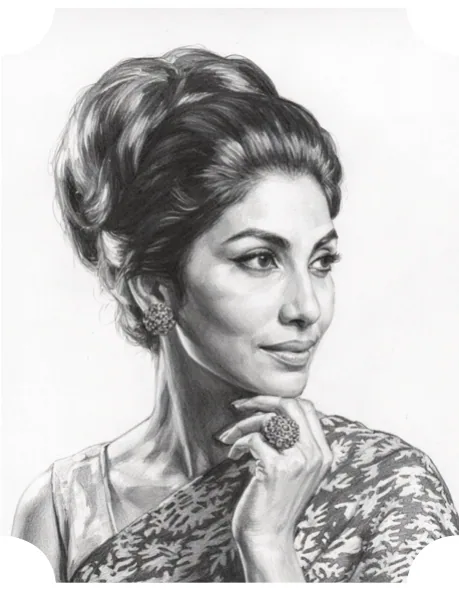
Dr Reita Faria
(b. 1943)
Dr Reita Faria studied at Grant Medical College in the 1960s, following the same demanding routine as every student. Colleagues remembered her for discipline and quiet focus.
In 1966, while still in medical school, she won the Miss World title. Despite global attention, she returned to complete her training and resumed her clinical work without deviation.
Choosing medicine over public life, she specialised in paediatrics and later practised in Dublin and London. Patients knew her simply as a doctor.
Her legacy lies in that steadiness, proof that professional purpose could remain constant, even under the spotlight.

dr Narayan Daji
(1830 – 1875)
Narayan Daji belonged to the first generation of Indian scholars shaping the academic life of Grant Medical College. Trained in both western medicine and traditional learning, he moved easily between these worlds.
He wrote on pharmacology and materia medica, studying local plants and linking indigenous knowledge with scientific method. As a teacher, he was known for clarity and careful reasoning.
Engaged in civic life as well, he connected education with public welfare while remaining understated.
Narayan Daji was also a photographer and academic, one of the few Indian members of the influential Photographic Society of Bombay. A self-taught photographer, he was known for his philanthropy, scholarship and passion for teaching.

Dr Atmaram Pandurang Tarkhadkar
(1823–1898)
Dr Atmaram Pandurang Tarkhadkar was among the earliest Indians trained in western medicine in Mumbai. His practice emphasised careful examination, precise records and steady diagnosis, helping establish confidence in Indian physicians.
He also pursued scholarship and social reform, helping found the Prarthana Samaj in 1867. His work linked education, reason and public welfare.
He also worked in Bhiwandi, on a smallpox vaccination campaign. He contributed to drafting the finer points of the Contagious Diseases Act, 1868. His biggest contribution came as a reformer who opposed many conservative traditions including child marriage.
His legacy lies in disciplined inquiry and civic responsibility.

Dr Sakharam Arjun Raut
(1839-1885)
Dr Sakharam Arjun Raut belonged to the early generation of Indian physicians strengthening western medical practice in Mumbai. He treated illnesses common in crowded localities with careful listening, systematic examination and detailed case notes.
He contributed to public health discussions, particularly in areas where medicine intersected with sanitation and living conditions. His observations linked patterns of disease to environmental factors, and his reports guided early conversations on preventive care.
Raut was an expert on Indian medicinal plants and was also among the founding members of the Bombay Natural History Society.
His influence remains part of the quiet foundations on which later generations stood.

Dr Tehemton Erach Udwadia
(1934–2023)
Dr Tehemton Erach Udwadia is widely regarded as the father of laparoscopic surgery in India. At a time when minimally invasive surgery was still new to the country, he performed India’s first laparoscopic cholecystectomy at Sir JJ Group of Hospitals in 1990. It was soon followed by the first laparoscopic appendectomy.
He trained extensively in endoscopy abroad and brought those techniques back to a public hospital setting, making advanced surgery accessible beyond elite private institutions.
As a teacher and mentor, he trained generations of surgeons and founded the Indian Association of Gastrointestinal Endo-Surgeons (IAGES). It created a national platform for skill development.
Awarded the Padma Shri in 2006, Dr Udwadia’s legacy lies not only in surgical “firsts” but in democratising minimally invasive surgery across India.