
Part IV – The People of JJ
Chapter XII
Alumni Voices
Reflections from graduates of Grant Government Medical College
Pages 161–168
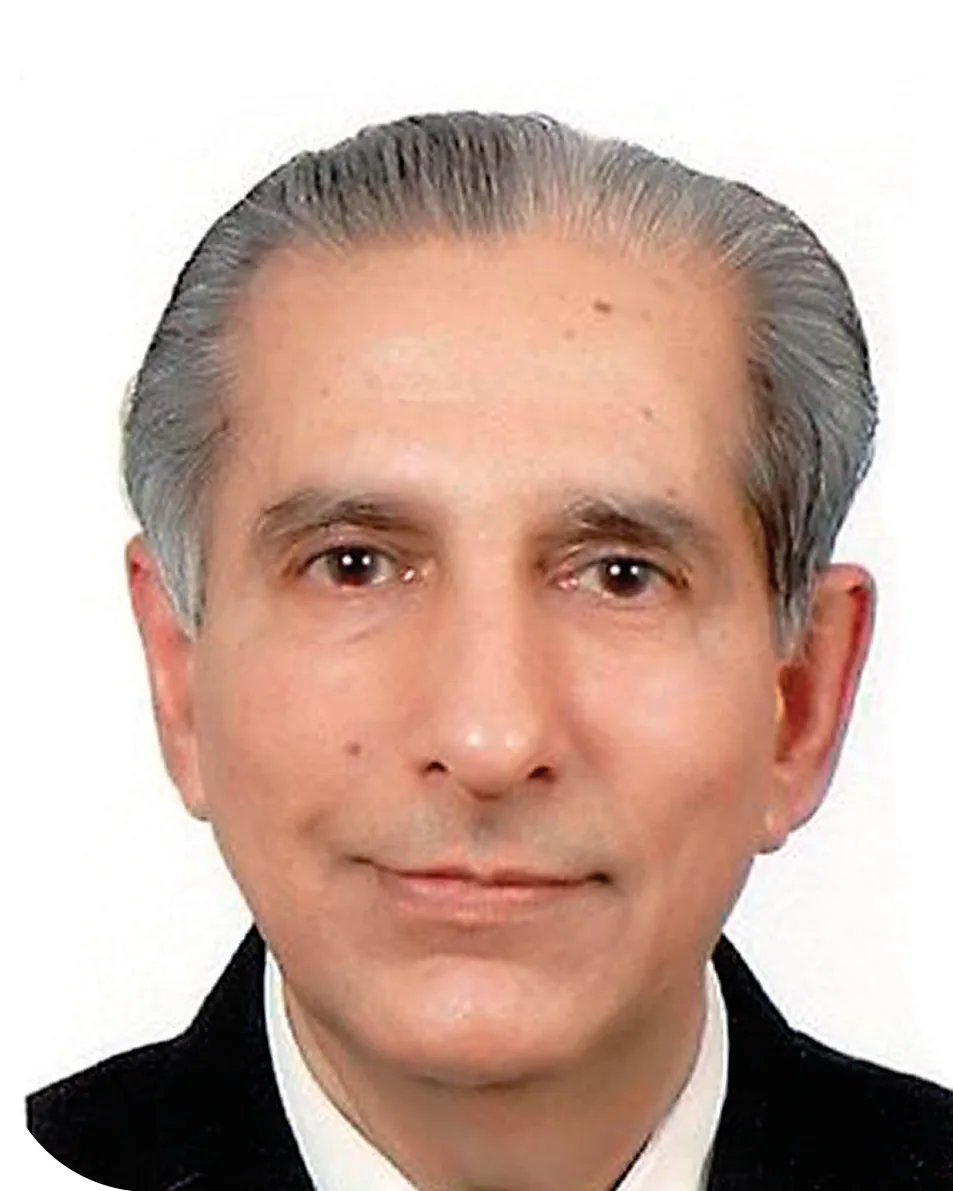
Dr Yeshwant K Amdekar
I joined Grant Medical College in 1959, graduated in 1963, completed my MD in Paediatrics in 1967, and spent nearly 40 years on this campus as part of the honorary staff. Ours was an era of passion. We were supposed to teach for four hours, but often spent six, taking rounds for three hours, seeing every patient on every cot.
We were taught to use our brains first—clinical judgment was the foundation. Technology is useful, but it cannot replace compassion or communication. Medicine, to me, has always been holistic. Brain for knowledge, heart for compassion, mind for commitment, and soul for accountability. Patients don’t care how much you know; they want to know how much you care. That was our motto: care always, cure if possible. JJ shaped my belief that medicine is not just science; it is character, responsibility, and humanity.
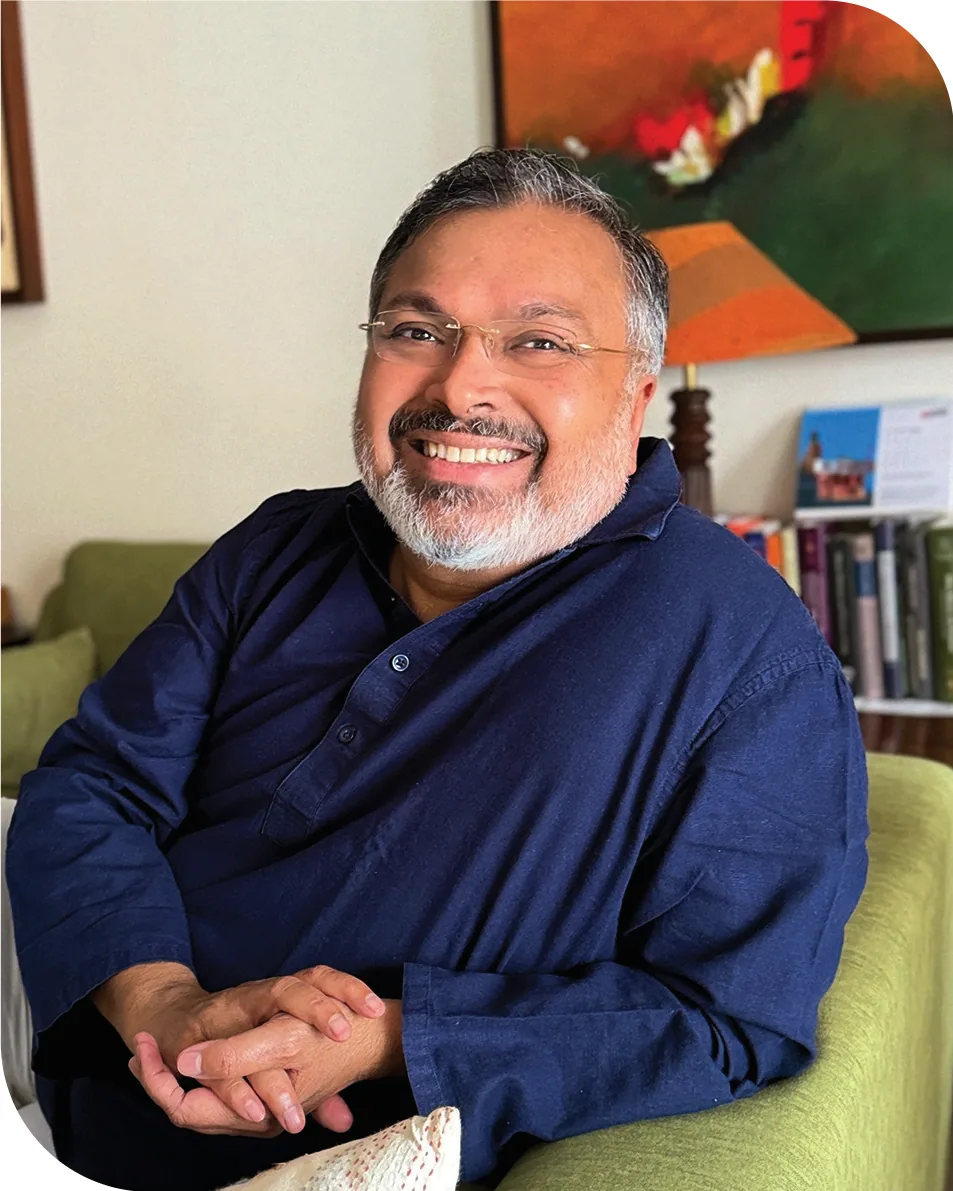
Dr Devdutt Pattanaik
I joined Grant Medical College in 1988 and graduated in 1993 with an MBBS degree. Although I secured a postgraduate seat, I chose not to continue in medicine.
One of my strongest memories is from the time HIV/AIDS had just reached India. What struck me was how openly the college discussed sexuality and sensitive subjects, at a time when society did not. I remember the anatomy dissection hall with its formaldehyde smell, the pathology museum tutorials, and professors who insisted that we approach abortion, trauma and abuse with empathy.
Even though I moved away from clinical practice, medical training has shaped how I think. It taught me to focus on clarity, structure, questioning assumptions, and understanding that decisions are made for a reason. That analytical discipline now informs how I study mythology. I also served as Secretary of the GMC Magazine, which is perhaps where my interest in writing and illustration truly began.
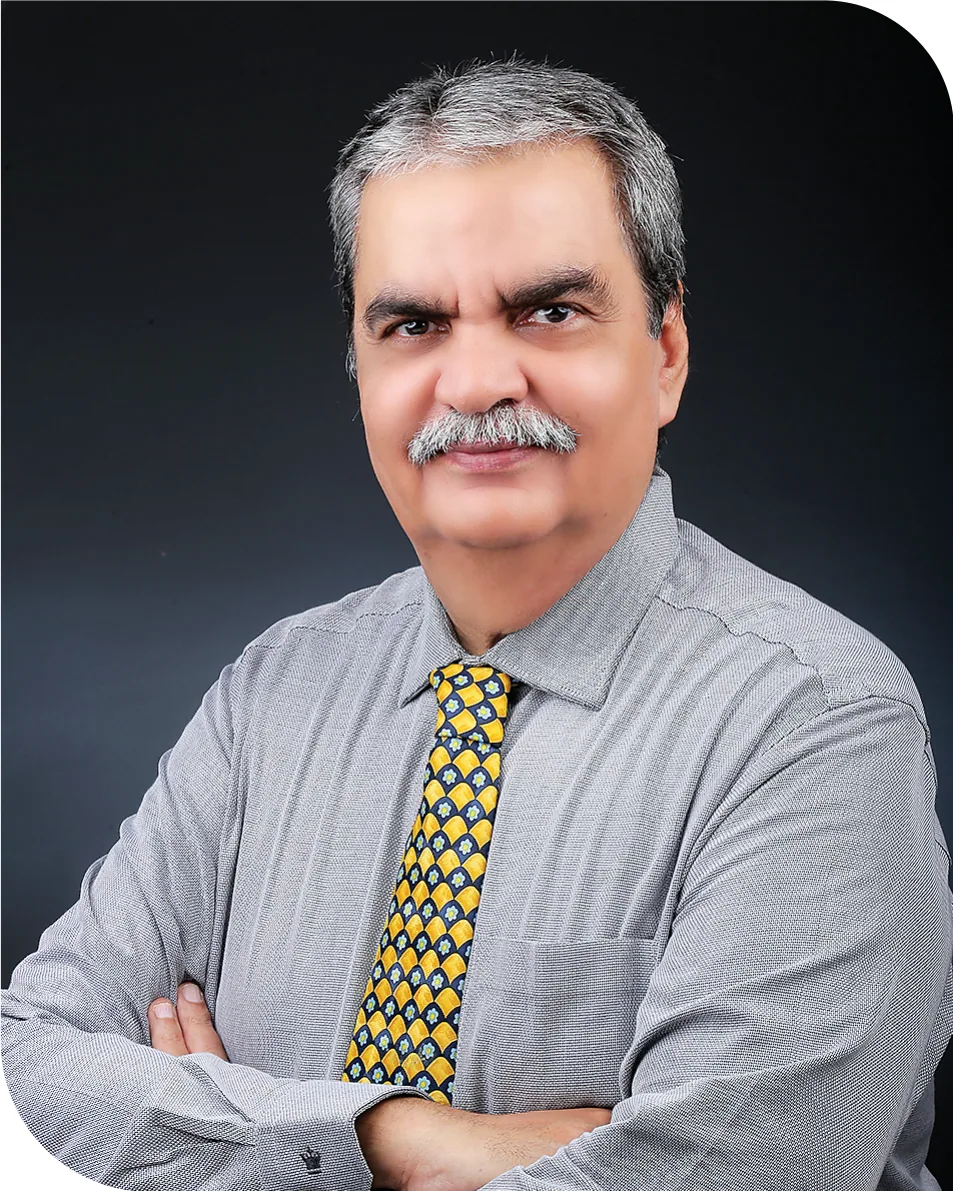
Dr Bharat Vatwani
For me, the ultimate alma mater was Grant Medical College, inseparable from Sir JJ Hospital. The classrooms shaped my thought processes, but the wards of JJ shaped my humanity. I was not a brilliant student. I struggled, scraped through examinations, and even failed once. Yet nowhere was I made to feel lesser.
No one reduced you to a rank or made you feel part of a rat race. It was about friendships, emotions, and belonging. The Chakarak war cry was not mere noise. It was identity. It bound students from different regions and backgrounds into one spirit. In JJ’s crowded wards, we saw suffering up close. In GMC, we were taught resilience, empathy and responsibility. The giving spirit I later witnessed in my classmates was not accidental. It was cultivated here. GMC and JJ do not merely produce doctors. They shape character and create an attitude towards life that refuses to falter.

Dr Aditi Govitrikar
In medical college, you’re trained to observe everything. That includes observing your own panic. During my first clinical posting, I was asked to check a patient’s pulse in front of the professor. I had done it many times before. But the moment he looked at me, I suddenly couldn’t find it. I held the wrist. Nothing. Adjusted my fingers. Still nothing. After an uncomfortable pause, he asked, “Doctor, what do you feel?” I replied, “Sir, pressure.” He said, “That’s your own anxiety,” found the pulse instantly, and showed me how to position my fingers properly.
It was a simple lesson in staying steady under observation. I graduated in 1995, and that early experience has stayed relevant. Today, as a practising psychologist—with further training from Harvard and TISS—I often smile at how medical college quietly prepares you not just with skills, but with composure.
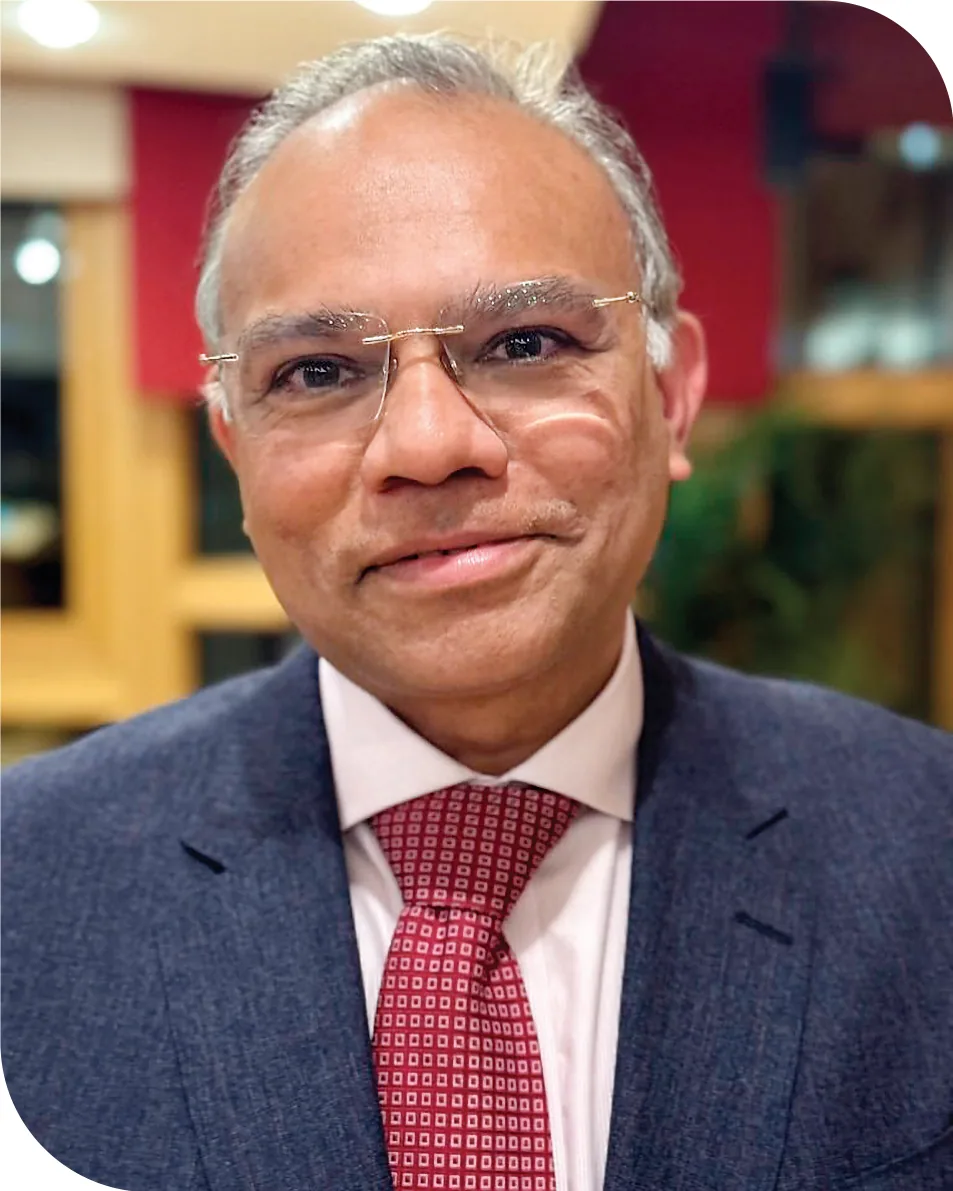
Dr Vipin Zamvar
I completed my MBBS from 1982 to 1986 and MS in General Surgery in 1991, before moving to the UK for cardiac surgery training. I now live in Edinburgh. Medicine was not my original plan—I had joined IIT for engineering—but life took a different turn, and I entered Grant Medical College instead. It turned out to be the best decision of my life.
Those years at JJ and GMC shaped me completely. I formed friendships over the anatomy dissection table that continue to this day. We spent hours in the canteen and common room, balancing serious study with equal amounts of fun. I was the inter-medical chess champion, and those competitions were as memorable as the exams we worked hard to excel in. The person I am today is because of those formative years. The clinical grounding, discipline, and resilience I gained at JJ helped me adapt, survive, and grow professionally in a foreign land.
Dr Jehangir Sorabjee
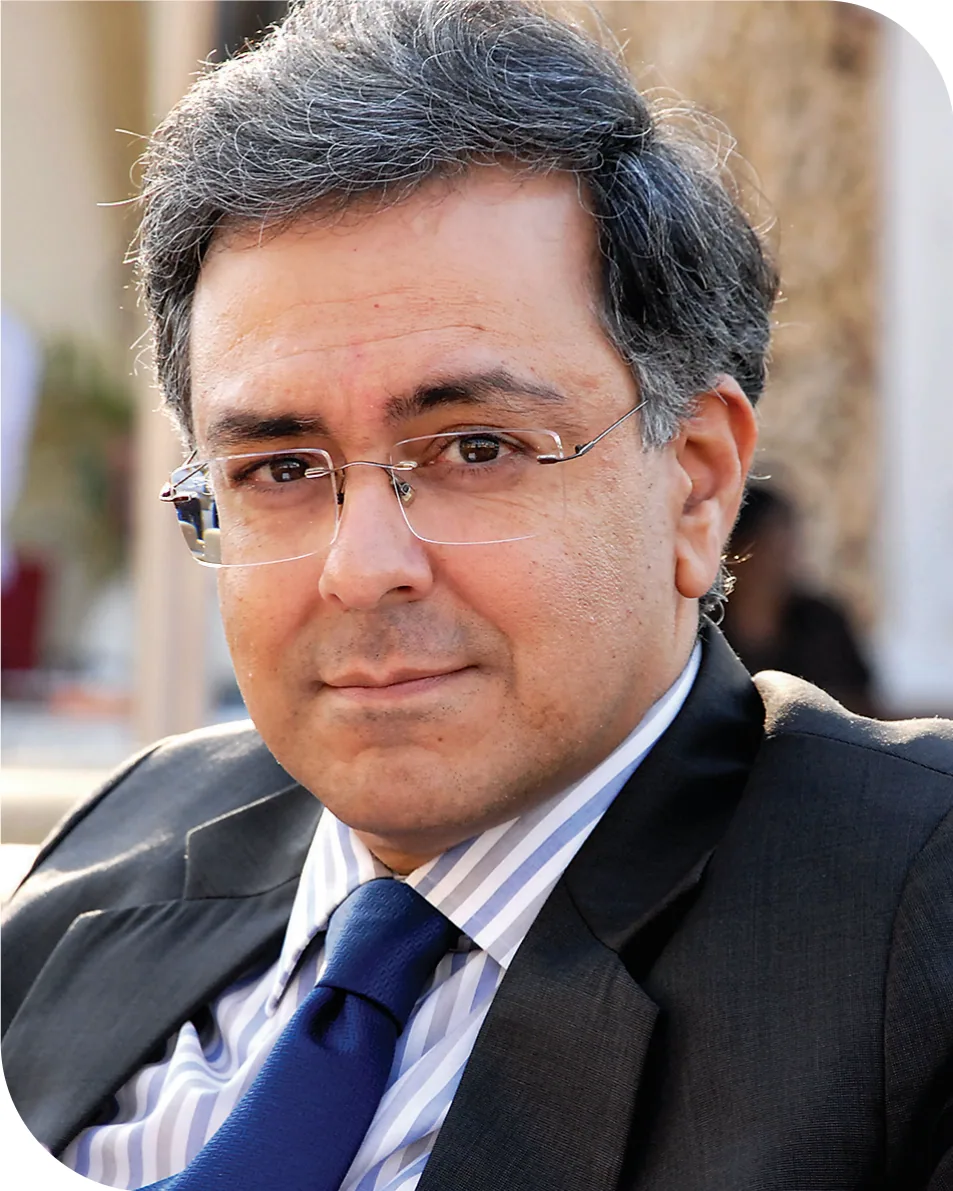
I joined Grant Medical College in 1977 by choice. Other colleges in Bombay were reputed to have better academics, but I wanted an institution with deep history and a reputation for freewheeling learning and student life. I could not have chosen better. Walking into the 48-acre campus was uplifting. It felt like a self-contained township, walled off from the chaos beyond its gates. The pace slowed down. With its stone heritage buildings, green spaces, police station, post office, coroners’ courts, mortuary and staff quarters, it functioned like a world of its own, almost a cantonment or small hill station.
Within weeks, everyone knew everyone. Lifelong friendships were formed in the Central Canteen and hostel dining rooms. The GMC spirit is difficult to define, but it is unmistakable: independence, resilience, and the ability to learn by experience. When GMCites meet anywhere in the world, there is an immediate bond, as if reconnecting with family.
Dr Muffazal Lakdawala
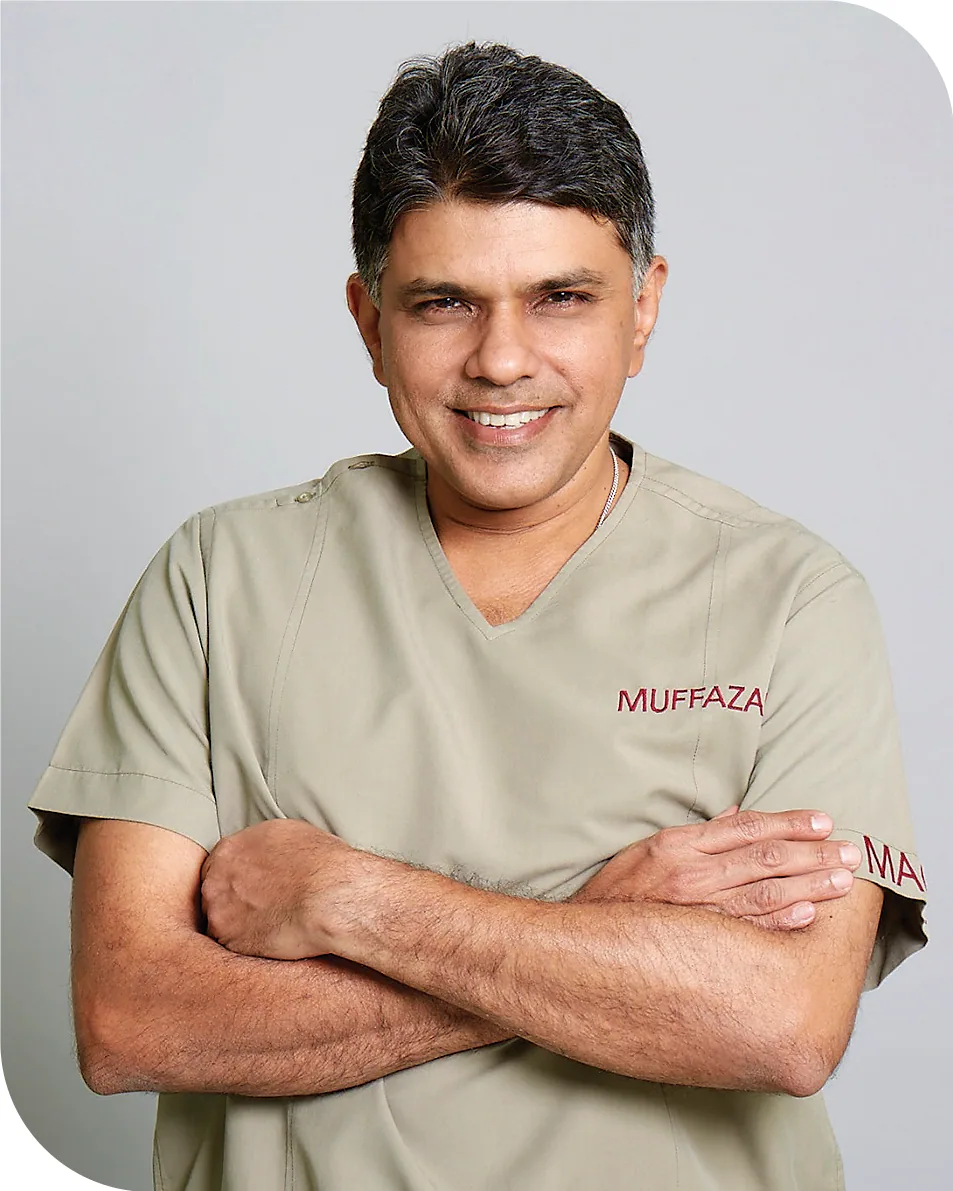
JJ did not just teach us medicine. It gave us exposure to volume, diversity and crisis. The Central Canteen was the heart of student life, where friendships and ideas were formed. Hostel nights built discipline and stamina. We were trained by stalwarts like Dr Tehemton Udwadia and Dr Adi Nazir, learning not only clinical knowledge but method and judgment. Life was rigorous, sometimes mischievous, always formative. The defining moment, however, was during the 1991–1992 riots. As interns in casualty, we treated the injured without asking who they were. There was chaos outside, but inside, there was only one objective: save lives. That experience shaped my understanding of medicine.
JJ and Grant Medical College taught us courage, resilience, and compassion under pressure. It prepared us not just to be surgeons or physicians, but to remain steady when the world outside was not.