Part I – Foundations
Chapter II
Three Men, One Institution
Pages 33–41
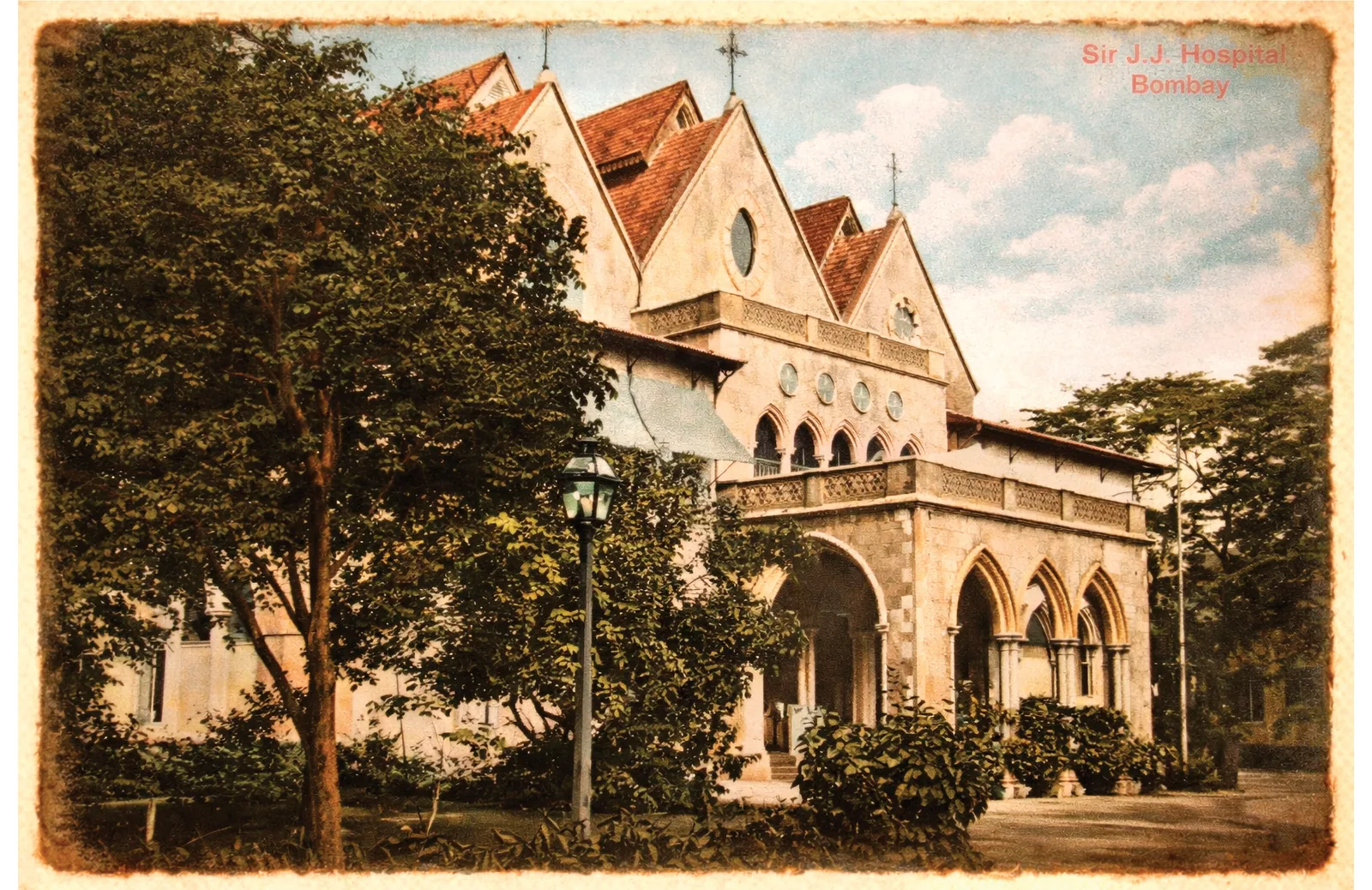
Three Men, One Institution
By the early decades of the nineteenth century, Bombay had already become a place of arrival and settlement, its island edges defined by lighthouses and harbours, and its interior steadily filling with people. Pushed out by famine, drawn by trade or livelihood, thousands of migrants, sea-farers and soldiers thronged the port and market areas. There were merchants exporting opium and cotton, and there were large numbers of artisans, dock workers and service staff. In this dense mix of human conditions that ranged from ambition to survival, crowded dwellings, open drains and seasonal illness shaped daily life.

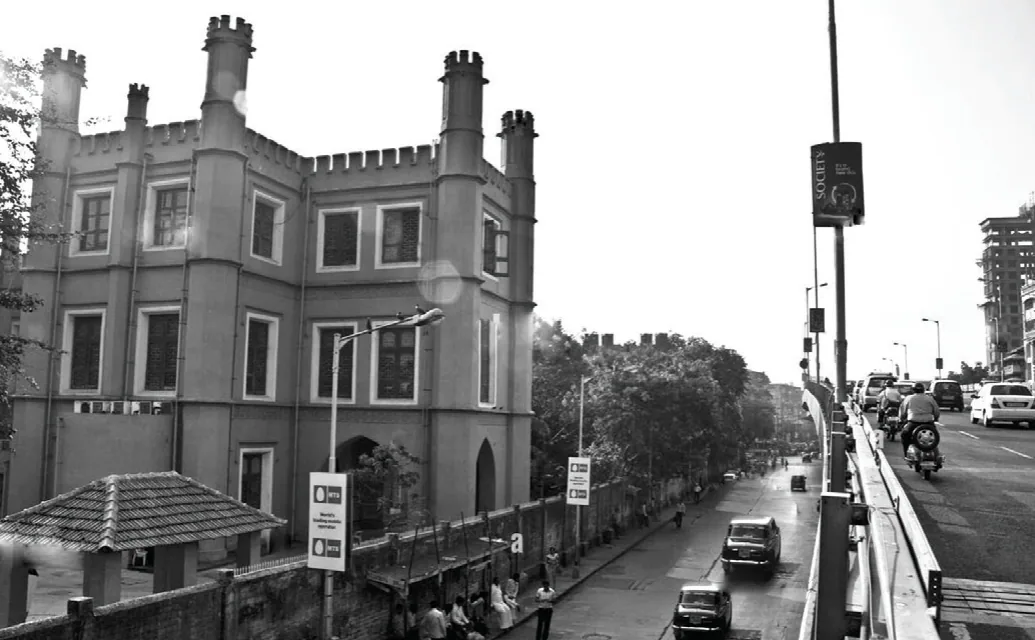
Government records from the late 1820s show several references to the need to build a hospital in Bombay. A medical school started by the government in 1826 survived only six years. The need for organised medical care and training had begun to press itself upon the city.
Then, in the late 1830s, three men whose contributions to Bombay lay in entirely different realms found their efforts and interests colliding. Jamsetjee Jeejeebhoy was a Parsi merchant and philanthropist, Sir Robert Grant had just arrived in Bombay as Governor, and Dr Charles Morehead was among the founders of the Bombay Medical and Physical Society, a trailblazer in efforts to advocate for western medicine in Bombay Presidency.
Their paths did not begin together, yet their efforts converged at a moment when the city needed new institutions. The three would eventually emerge as the men who dreamed of and built a medical college and hospital that would leave a lasting imprint on Bombay and serve many generations of Indians.
Dr Morehead was all of 22 years when he entered the Bombay Medical Service, run then by the East India Company as a key element of its colonial military-medical structure, parallel to similar services in Bengal and Madras, mainly serving British troops and officials. A few years later, he was appointed to the personal staff of the Governor of the Bombay Presidency, who, as it turned out, was keen to overhaul education and medical science in Bombay.
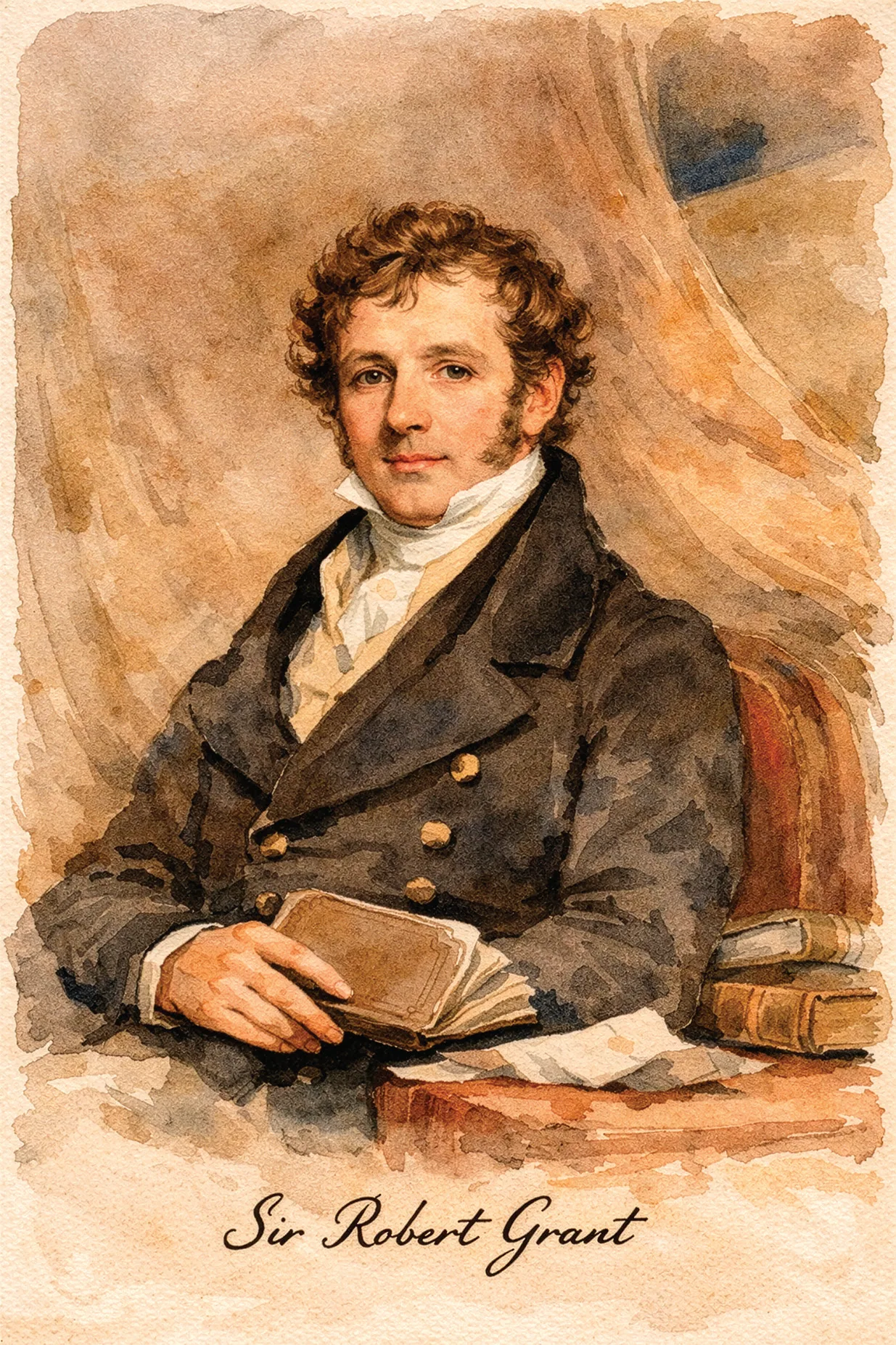
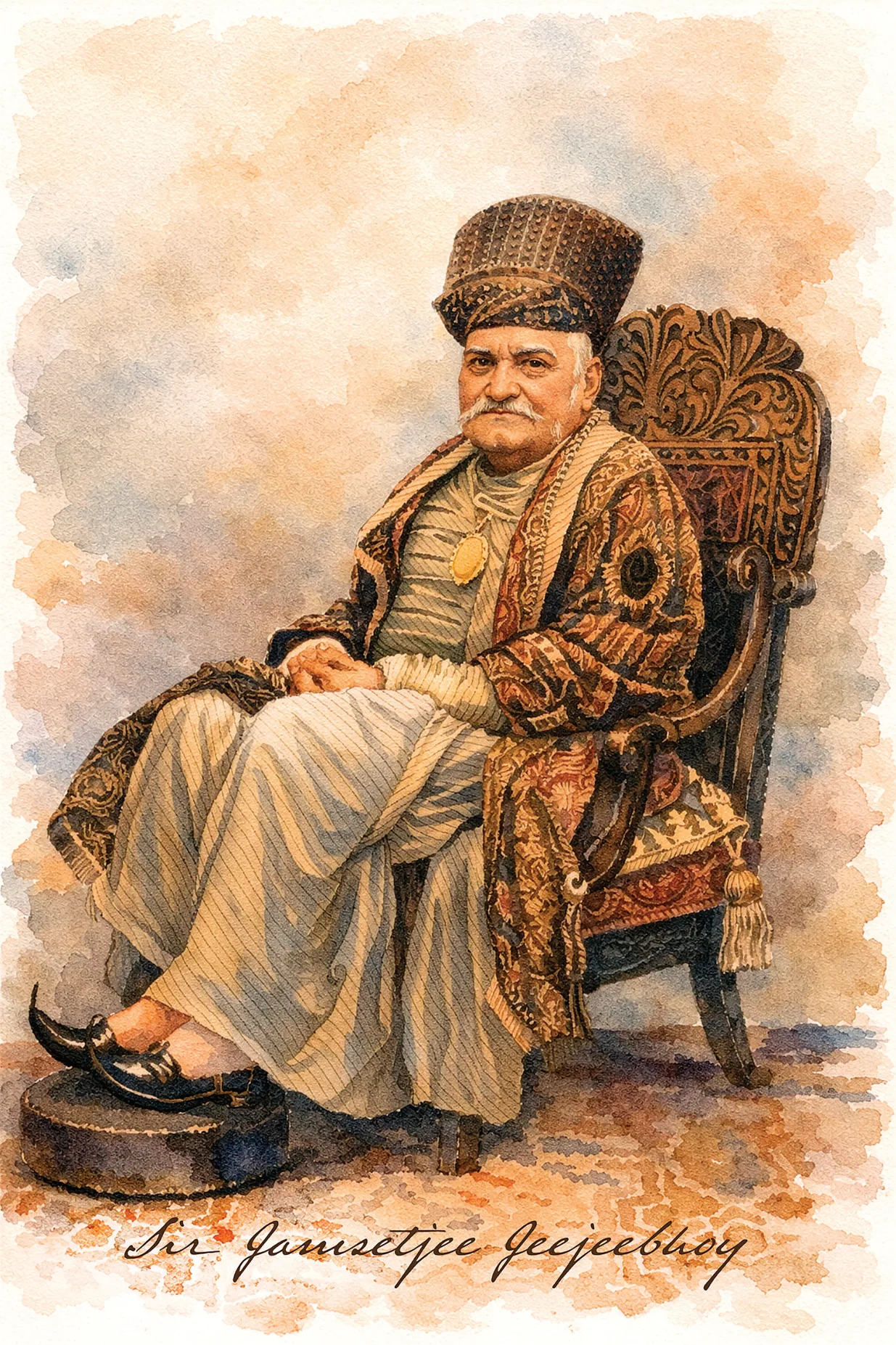
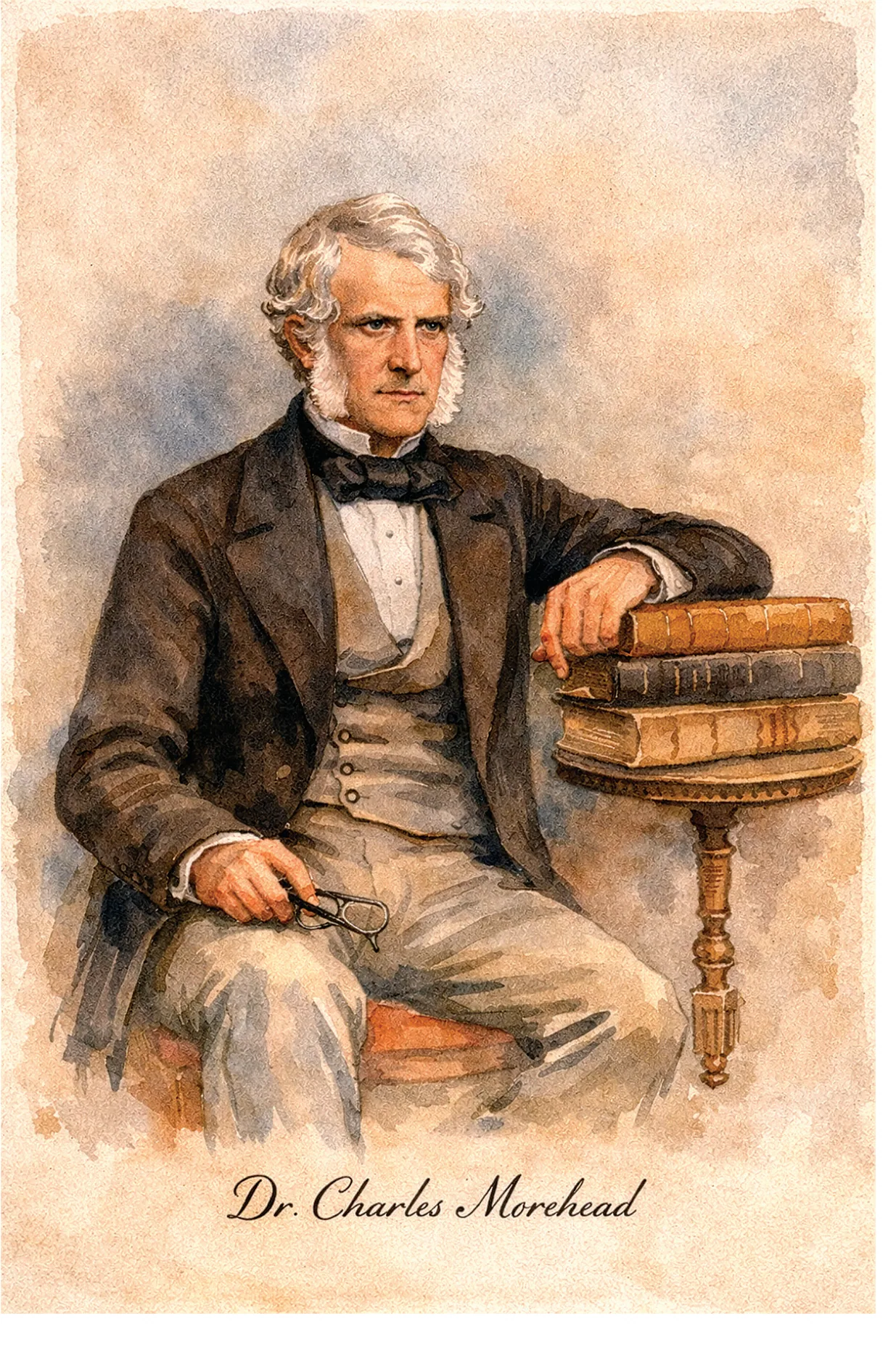
Three men whose contributions to Bombay lay in entirely different realms found their efforts and interests colliding.
Sir Robert Grant had just arrived in Bombay as Governor
Jamsetjee Jeejeebhoy was a Parsi merchant and philanthropist
Dr Charles Morehead was among the founders of the Bombay Medical and Physical Society, a trailblazer in efforts to advocate for western medicine in Bombay Presidency.
The three would eventually emerge as the men who dreamed of and built a medical college and hospital that would leave a lasting imprint on Bombay and serve many generations of Indians.
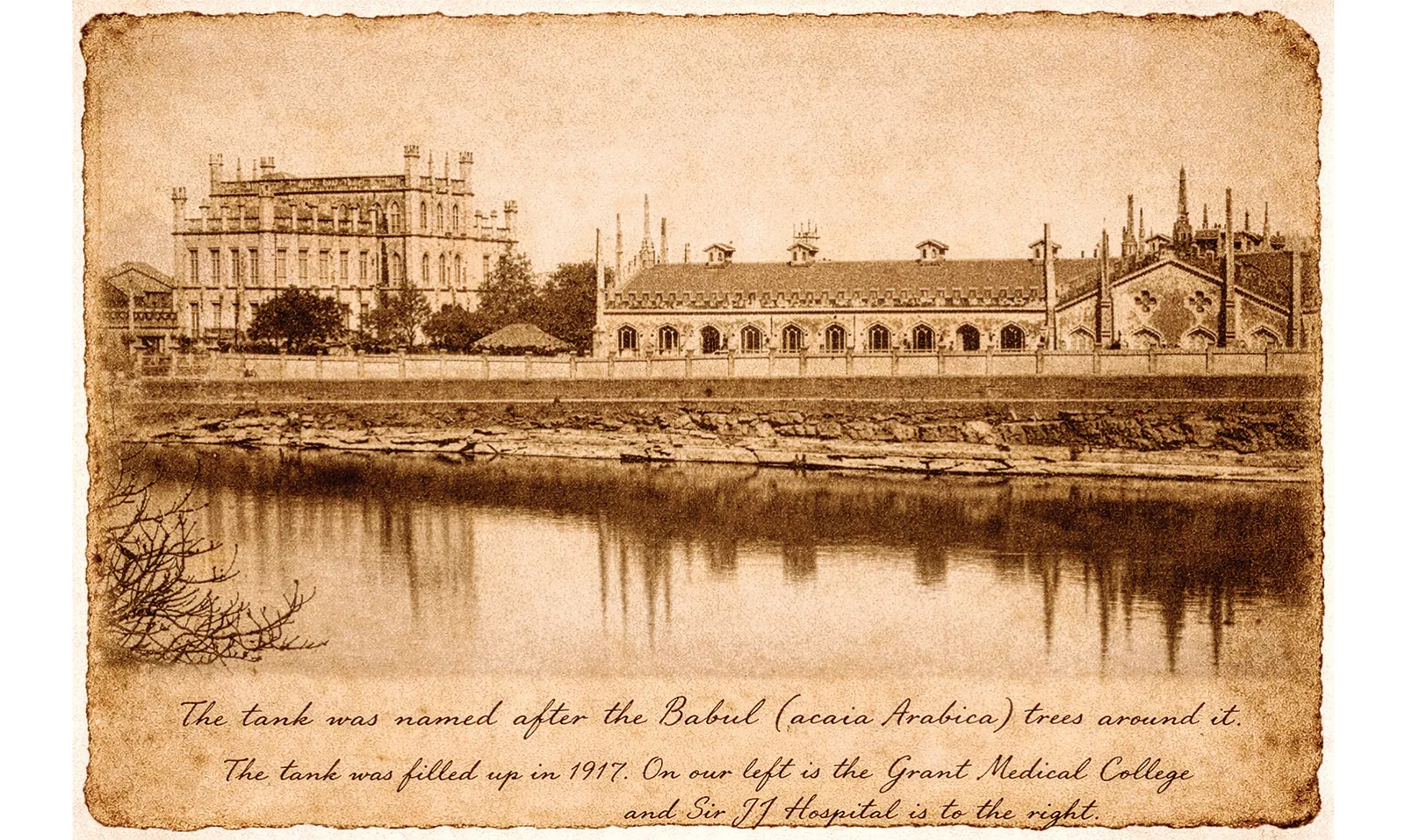
Grant Government Medical College and Sir JJ Hospital
were products of circumstance as much as intention.
When the Bombay Medical and Physical Society was established in 1835, Dr Morehead became the founding secretary. Here, he argued for medicine grounded in careful, local observations, of climate, epidemics, living conditions and daily habits. He opposed uncritical imitation of European practice, urging instead a form of medical education adapted to Indian realities, a philosophy that would later shape teaching at Grant Medical College.
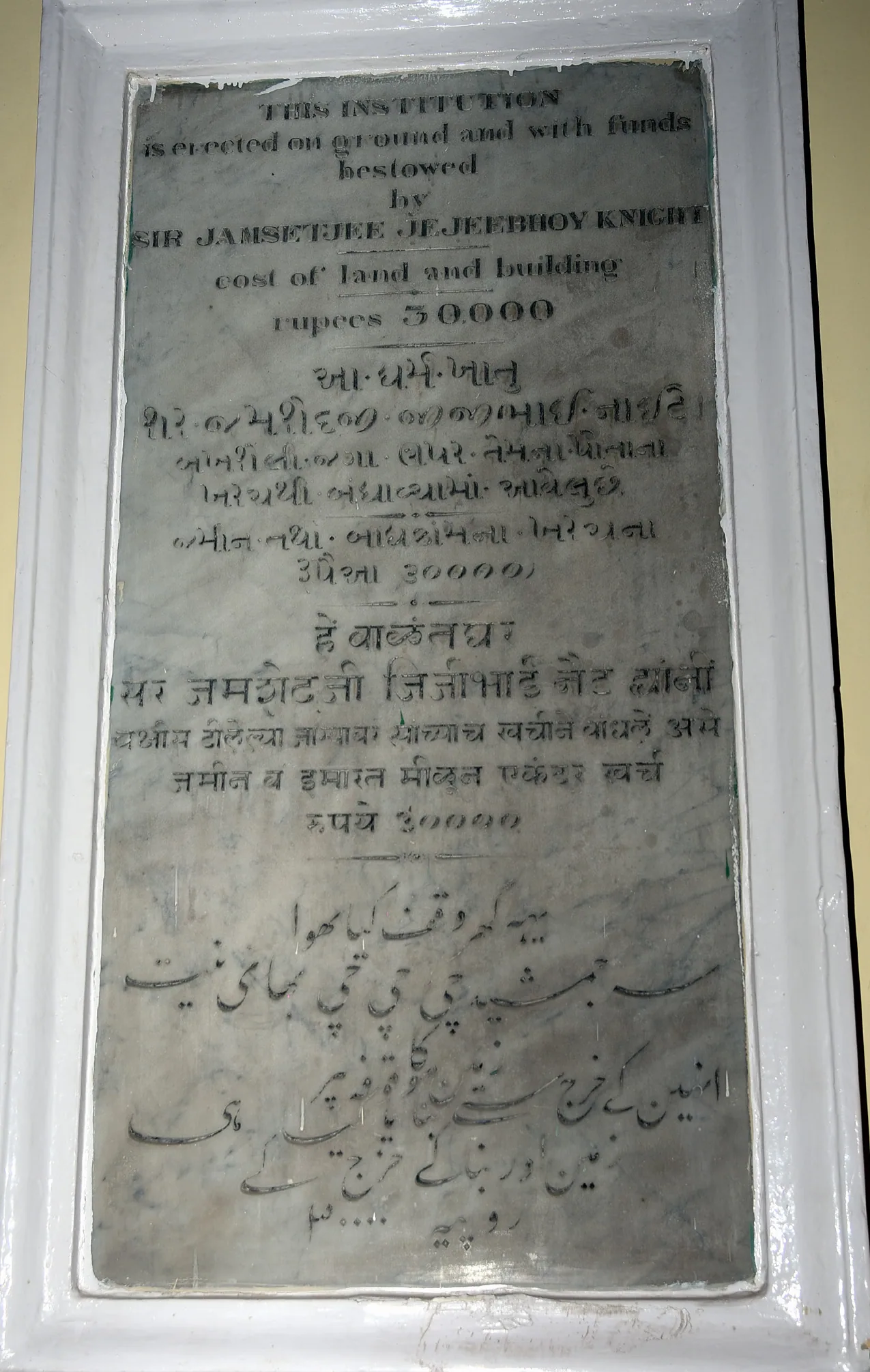
Jeejeebhoy, who would be knighted in 1842, had already established himself as a leading public benefactor. Sir Jamsetjee Jeejeebhoy’s philanthropy included education and public welfare at a time when formal systems were still emerging. His contributions ranged from funding schools and educational societies to aiding widows, orphans and poor debtors imprisoned for civil liabilities.
When plans were drawn up for a hospital and medical college, he offered the financial support required to build them, a donation of Rs 1,00,000. His decision reflected a belief that the city needed permanent institutions that could serve its growing population.
Sir Grant pushed for a formal system of medical education almost as soon as he arrived in India. Official correspondence from the period notes his concern about the limited capacity of existing medical facilities. Grant supported the idea of a college that would teach anatomy, surgery and clinical practice in a structured way.
One of the principal factors behind Sir Grant’s keenness was the loss of life in Bombay Presidency to curable ailments. Then there was the question of how to practically train a generation of Indians in western medicine without an attached hospital where training could be possible. This required a teaching institution to be established alongside a hospital, so that efforts to train Indians in the practice of medicine and surgery would be effective, and also so that several branches of medical knowledge could be imparted through such practical study.
As it turned out, Sir Grant did not live to see his dream fulfilled. He died nine days before the government sanctioned the building of the hospital.
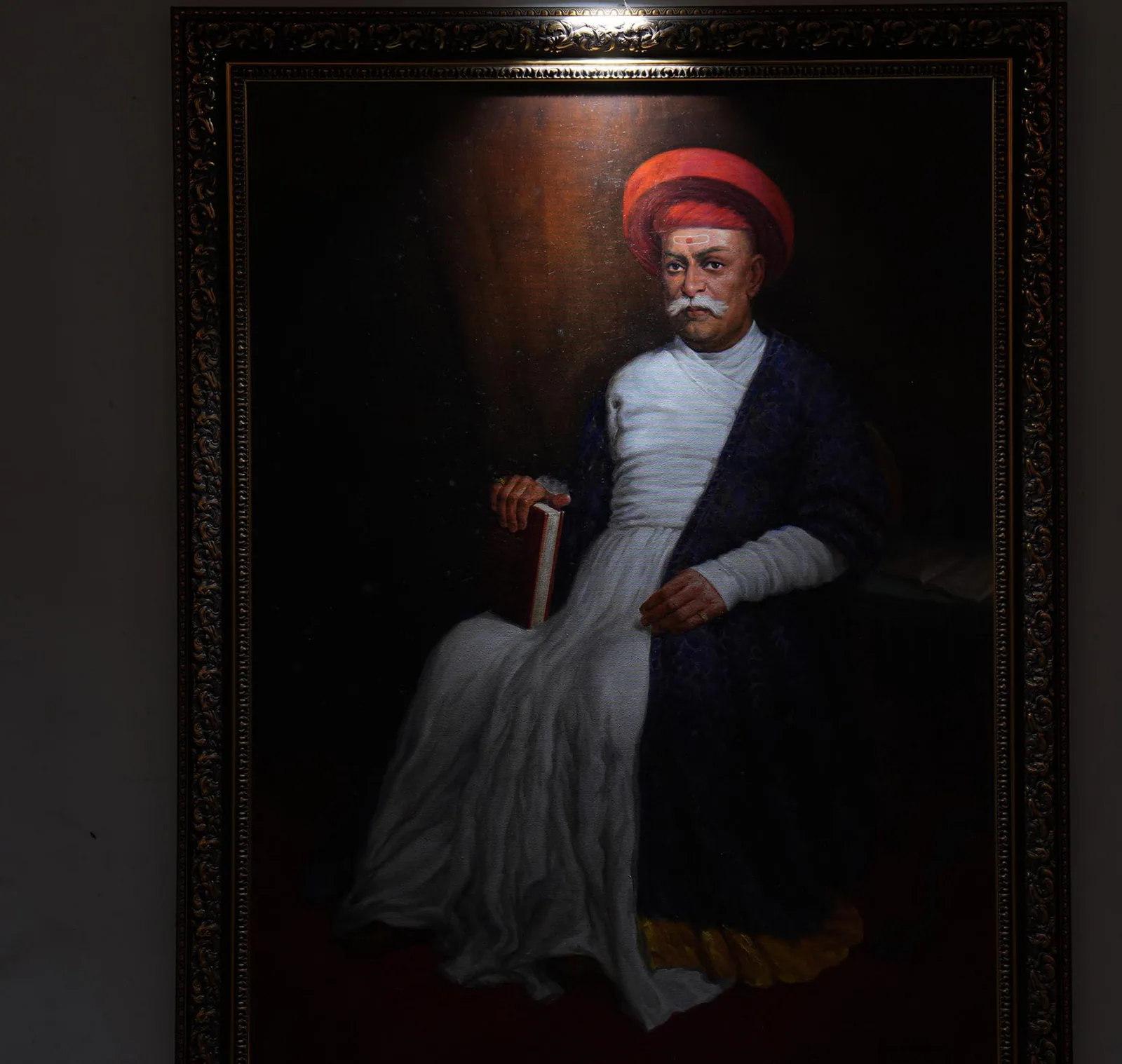
proposed that the college be named after the late governor
At a memorial meeting later that month, among several who addressed the gathering to pay tributes to Sir Grant, Indian philanthropist and educationist Jagannath (Nana) Sunkerseth proposed that the college be named after the late governor.
The foundation stone of Grant Medical College was laid on March 30, 1843, with the Lord Bishop of Calcutta delivering an address eulogising Sir Grant. Subsequently, Dr Morehead personally supervised construction work, and in October 1845, the new buildings were ready.
Dr Morehead was the first superintendent and principal, and the first lectures were held on November 1, 1845. He believed students should learn directly from patients, and his methods influenced the routines of the wards and the habits of the first graduating classes.
Jamsetjee Jeejeebhoy, Sir Robert Grant and Dr Charles Morehead did not work as a collective, yet the institution that emerged carried the imprint of all three. Sir JJ Hospital and Grant Medical College were products of circumstance as much as intention. Financial support, administrative resolve and a philosophy of medical training came together in a form suited to Bombay’s needs, not just for that moment in history but for posterity.